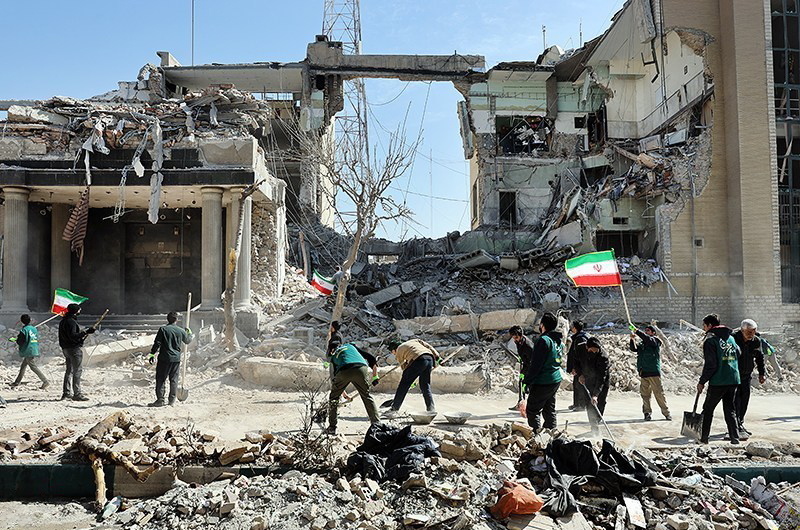
President Donald Trump said this week the U.S. and Iran had agreed to a temporary ceasefire, pulling back from the brink of a broader Middle East conflict just hours before a self-imposed deadline for potential military escalation.
The two-week pause is contingent on Iran allowing uninterrupted passage through the Strait of Hormuz, a critical artery for roughly 20% of global oil shipments. The agreement creates a narrow window for negotiations aimed at a more durable regional settlement.
In a statement posted late Tuesday, Trump said U.S. forces had "met and exceeded" their military objectives and described a proposal from Tehran as a viable starting point for talks. He indicated that most major points of contention had been addressed in principle, with the ceasefire intended to allow final details to be worked out.
The de-escalation followed last-minute diplomatic pressure, including outreach from Shehbaz Sharif urging Washington to extend its timeline for military action. Iran's top diplomat, Seyed Abbas Araghchi, said Tehran would suspend defensive operations provided attacks ceased, adding that coordination over maritime transit would be maintained during the truce.
A U.S. official said Israel had signed off on the pause, though its diplomatic mission in Washington declined to comment publicly.
Earlier in the day, Trump had warned of sweeping consequences if an agreement failed to materialize, including potential strikes on infrastructure targets. The rhetoric drew criticism from Democratic lawmakers, who called for congressional intervention, while many Republicans refrained from public comment as negotiations intensified.
The confrontation has already rattled energy markets. Iran's disruption of shipping through Hormuz sent fuel prices higher across the U.S. and Europe, underscoring the global economic stakes. U.S. and Israeli forces have conducted an extensive campaign in recent weeks, targeting thousands of sites tied to Iran's military and nuclear capabilities, according to officials at U.S. Central Command and Defense Secretary Pete Hegseth.
Despite the pause, significant gaps remain over Iran's nuclear program, its network of regional allies and militias, and the scope of economic sanctions. European and Gulf partners have had limited visibility into the latest round of diplomacy, reflecting the compressed and high-stakes nature of the talks.
For now, the agreement reduces the immediate risk of a wider conflict. Whether it evolves into a lasting accord or merely postpones renewed hostilities will depend on progress made during the two-week window--leaving governments and markets closely attuned to developments.